How Portland’s Rainy Climate Affects Deck Materials and Details
Portland’s rainy climate affects more than a deck’s surface. Frequent moisture, damp framing, changing temperatures, and limited drying time all influence the materials and construction details that help a deck perform well. A good design considers how water moves across, through, and away from the entire structure—not just the board color or material you prefer.

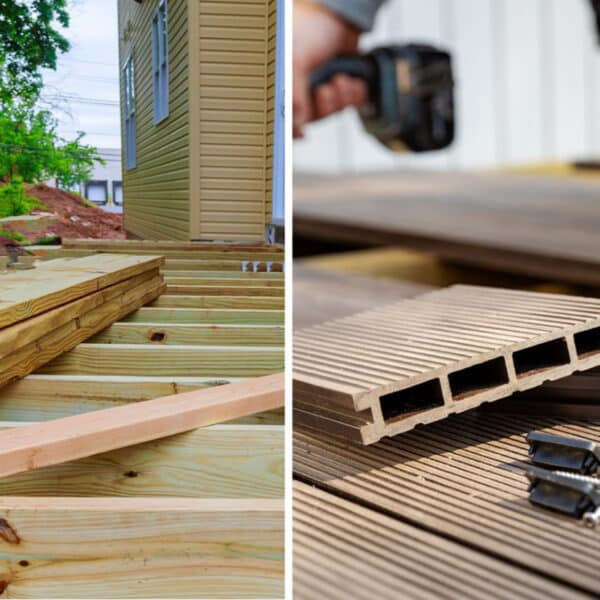
Wood and composite decking can both be appropriate choices for a Portland-area home, but they have different maintenance needs. Framing, fasteners, flashing, airflow, surface slope, and under-deck drainage matter just as much. Here is how to think through those decisions before planning a new deck or rebuilding an older one.

How Portland Moisture Changes Deck Material Decisions
Rain creates repeated wetting and drying cycles. A deck may look fine on a dry summer day while areas near the house, under furniture, around connections, or between closely spaced components remain damp. When comparing materials, consider how the boards will look over time, how much routine care you are prepared to provide, and how the complete deck system will handle water.
Wood needs a maintenance plan
Cedar is a popular choice for Portland homeowners because it offers a natural appearance and contains oils that help resist decay, rot, and insects. It is also lightweight and easy to work with. However, naturally resistant does not mean maintenance-free. Wood still benefits from a design that allows it to dry, along with an ongoing plan for cleaning, inspection, and appropriate surface care.
Pay attention to places where leaves, soil, or outdoor items can trap moisture. A wood deck may also change appearance as it weathers. Some homeowners appreciate that natural character, while others prefer to preserve more of the original color. Discuss the intended finish and maintenance expectations before choosing the material.
Composite reduces surface maintenance
Composite decking is designed to resist common weather-related concerns such as warping, rotting, and splintering. It does not require the same annual staining, painting, or sealing routine associated with many wood decks. Cleaning is still part of ownership, so dirt, leaves, spills, and organic growth should not remain on the surface indefinitely.

Composite also requires careful installation. Boards need the correct support, spacing, fasteners, and edge details for the selected product. A low-maintenance surface cannot compensate for water collecting around the framing or for an installation that does not follow the material requirements. Grand Decks’ composite deck construction service can connect board selection to the overall design and structure.
Fasteners and connections deserve attention
Rain reaches more than the visible boards. It also reaches screws, brackets, joist connections, posts, railings, and the areas where the deck meets the home. Exterior-rated fasteners and compatible connection hardware are important parts of a moisture-conscious design, but the exact products should match the material, structural use, and installation requirements.
A professional review should consider the complete connection system rather than focusing only on the decking brand. Homeowners comparing wood and composite should ask how each option will be attached, how edges will be finished, and how the fasteners will remain secure as the deck experiences seasonal moisture and temperature changes.
Deck Details That Help Portland Structures Handle Rain
Material selection is only one part of weather performance. Water must have a clear path away from the deck, the house, and the framing. During a design consultation, ask how the proposed layout handles runoff and how the builder plans to protect areas that are difficult to inspect after the surface is installed. These questions can reveal important differences between a basic replacement and a carefully planned outdoor space.

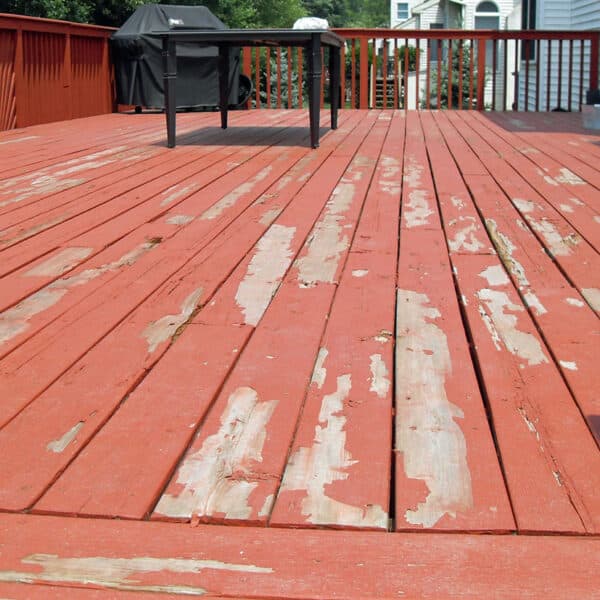
For an existing deck, visible staining, soft wood, loose connections, or water collecting in one area do not identify the full cause by themselves. A professional inspection can determine whether the concern is limited to surface boards or involves framing, flashing, attachment points, or drainage.
Flashing and the house connection
The point where a deck connects to the home deserves special care because water can move toward the wall, ledger area, or other concealed components. Flashing and related protection details should direct water away from vulnerable connections instead of allowing it to remain trapped. The correct approach depends on the existing home, deck design, and condition of the structure.
If an older deck is being resurfaced, do not assume that replacing the visible boards solves every moisture concern. The surface may look new while older framing or connection details remain underneath. A builder should evaluate the structure before recommending whether resurfacing is suitable or whether a larger rebuild makes more sense.
Ventilation, spacing, and drying time
Air movement helps wet components dry. Deck layouts should avoid unnecessary pockets where leaves and moisture can remain trapped, especially beneath elevated decks and around stairs, railings, planters, and built-in features. Board spacing and edge clearances also need to follow the requirements for the selected product and actual site conditions.

This does not mean every deck needs an open, minimal design. Enclosed storage, seating, skirting, and decorative details should be planned with water and airflow in mind. A beautiful feature can become harder to maintain if it blocks access or creates a place for damp debris to collect.
Slope, drainage, and the space below
Rain naturally passes through the spaces between deck boards. On an elevated deck, that water can fall onto the framing and the area below unless the design includes a way to control it. Where homeowners want a covered patio or protected sitting area beneath the deck, an under-deck drainage system can capture water above the framing and direct it toward downspouts and a gutter system.
The right drainage approach depends on whether the deck is new, whether the decking is already installed, and how the finished space below should look. Grand Decks’ deck waterproofing service addresses these planning questions for new and existing decks. It can help make the area below more usable while managing moisture moving through the deck.
Imagine two second-story decks with the same composite boards. One allows rainwater to fall directly onto exposed framing and the patio below. The other includes planned drainage, accessible downspouts, and details that keep water moving away from the structure. The board material is similar, but the complete water-management design is very different.
Use a project review before choosing materials
Before requesting a proposal, make a short list of how the deck will be used and what the site experiences. Note whether the deck is elevated, whether the area below should stay dry, where water currently collects, and how much maintenance you want to handle. Also consider sun exposure, nearby trees, furniture, stairs, railings, and built-in features that could affect cleaning or drainage.
Ask the builder to explain four connections: how the surface material fits the climate, how water leaves the deck, how the framing and house connection are protected, and what maintenance remains after installation. Grand Decks designs and builds custom decks throughout the Portland Metro Area, including composite and cedar options. A professional consultation can turn those questions into a plan based on the home rather than a one-size-fits-all recommendation.
After the work is complete, keep drainage paths clear, remove leaves and debris, watch for changes around connections, and follow the care instructions for the selected decking. If you notice soft areas, movement, recurring dampness, or water entering where it should not, arrange a professional evaluation before covering the problem with new surface boards.
Portland Deck Materials and Rain FAQ
Is composite decking always the best choice for Portland rain?
Not always. Composite can reduce routine surface maintenance and is designed to resist several weather-related problems, while cedar offers natural beauty and natural resistance to decay. The best choice also depends on the deck’s structure, drainage, appearance, budget, and your maintenance preferences.
Does cedar decking need maintenance in Portland?
Yes. Cedar is naturally resistant to decay, rot, and insects, but it still needs cleaning, inspection, and appropriate surface care. Ask a deck professional what maintenance approach fits the finish and appearance you want.
Why do flashing and drainage matter if I choose composite boards?
Composite boards do not eliminate moisture around framing, fasteners, the house connection, or the area below an elevated deck. Flashing and drainage help direct water away from vulnerable parts of the structure, regardless of the surface material.
Can an under-deck drainage system keep the space below dry?
An under-deck drainage system is designed to capture water above the framing and direct it toward downspouts and a gutter system. The suitable system depends on the deck construction, whether the boards are already installed, and how you want the space below to function.
Should I resurface an older deck before checking its framing?
No. Replacing the surface boards does not resolve hidden problems in framing, connections, flashing, or drainage. Have the existing structure evaluated first to determine whether resurfacing is appropriate or whether a more complete rebuild is needed.